A Backcountry Screening at Lake O’Hara
Embers has played at film festivals around the world, but a recent backcountry screening with two dozen campers crammed into Le Relais day lodge is something that will stay with me.
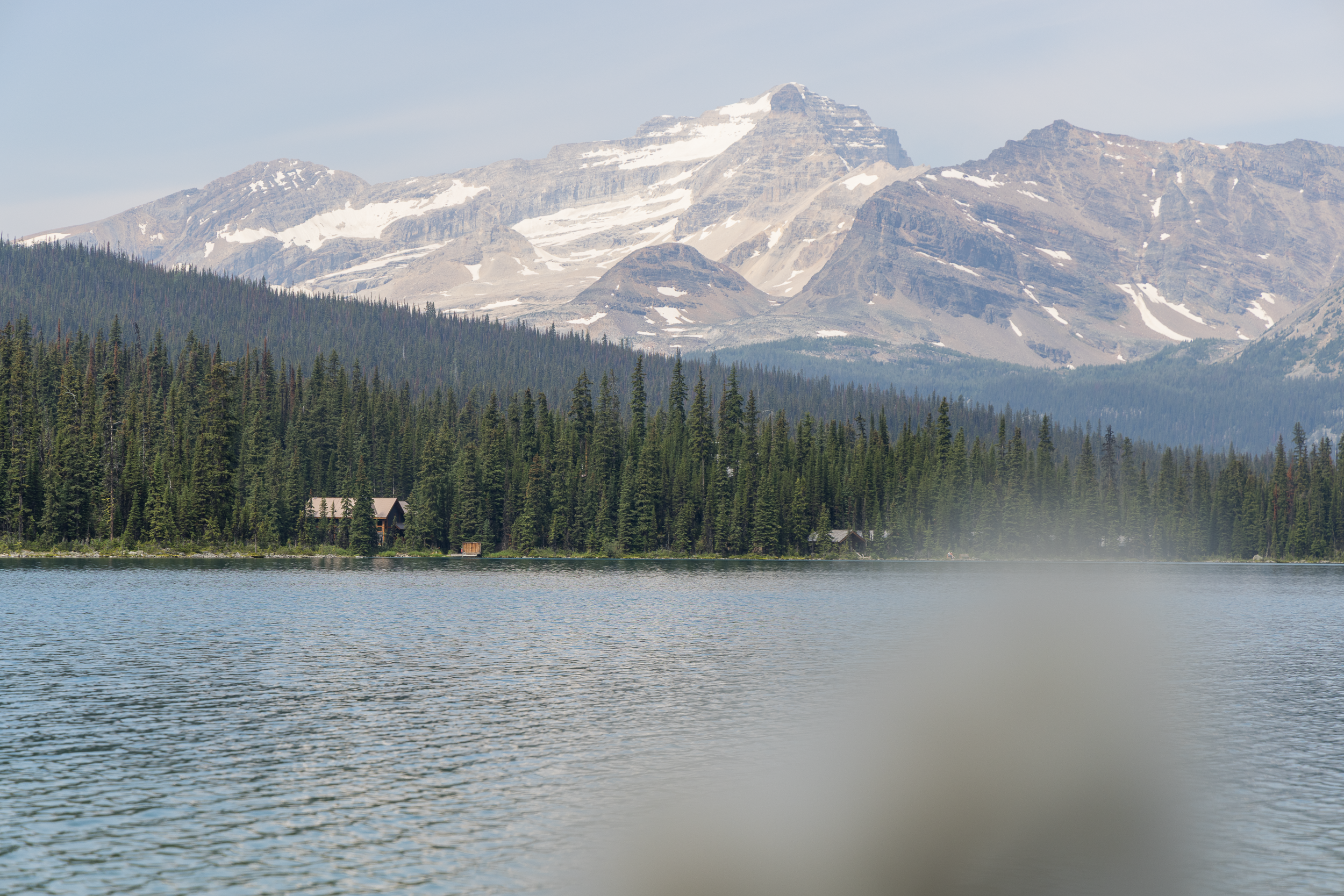
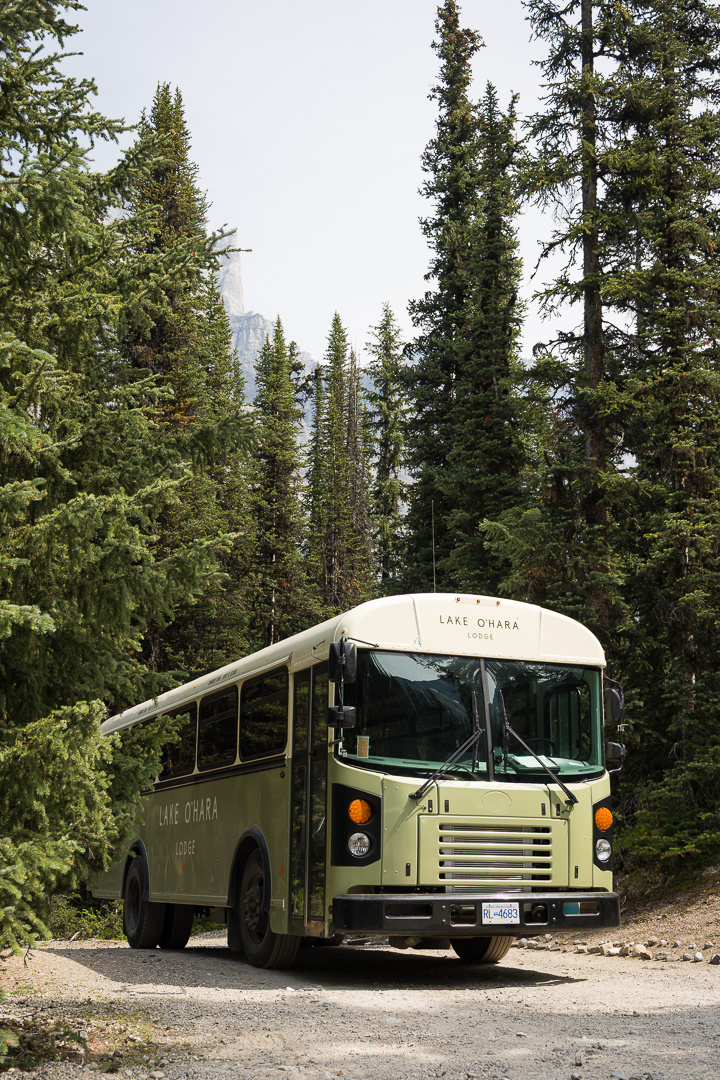
This marks my second consecutive summer participating in the Lake O’Hara Speaker Series, an initiative that rewards presenters with a coveted campsite at the Lake O’Hara campground. With Sasha still in Chamonix, I invited my mother-in-law, Terry Anne Wilson, to join me. It would be her first time ever visiting Lake O’Hara, and her first time ‘roughing it’ in a tent in years. We hopped on the shuttle bus that transports campers 10 kilometres into the protected backcountry of British Columbia’s Yoho National Park. Following a brief orientation, we pitched our tent at site 13 and set off to the lake.
Lake O’Hara lies in the ancestral and traditional territories of the Ktunaxa, Secwépemc, and Îyârhe Nakoda peoples. The first non-indigenous person to lay eyes on Lake O’hara was J.J. McArthur in 1887. It was later named for Lieutenant-Colonel Robert O’Hara, who visited in 1889. Adjacent to it is Mary Lake and Mount Schaffer, respectively named for explorer Mary Schaffer Warren (featured in my film Wildflowers) and her first husband, botanist Charles Schaffer. Lake O’Hara holds a rich history; the creation of its trail network shaped early Canadian trail-building. To this day, it is considered a crown jewel of the Canadian Rockies.
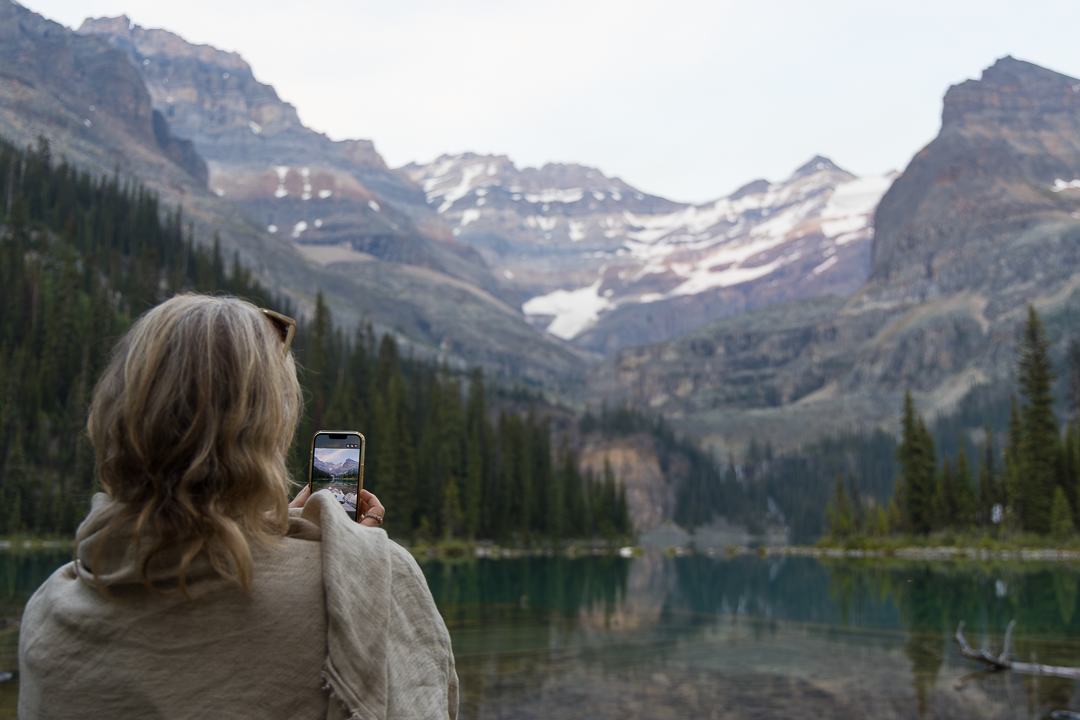
My mother-in-law, and my plus one. Terry Anne sees Lake O’Hara for the first time.
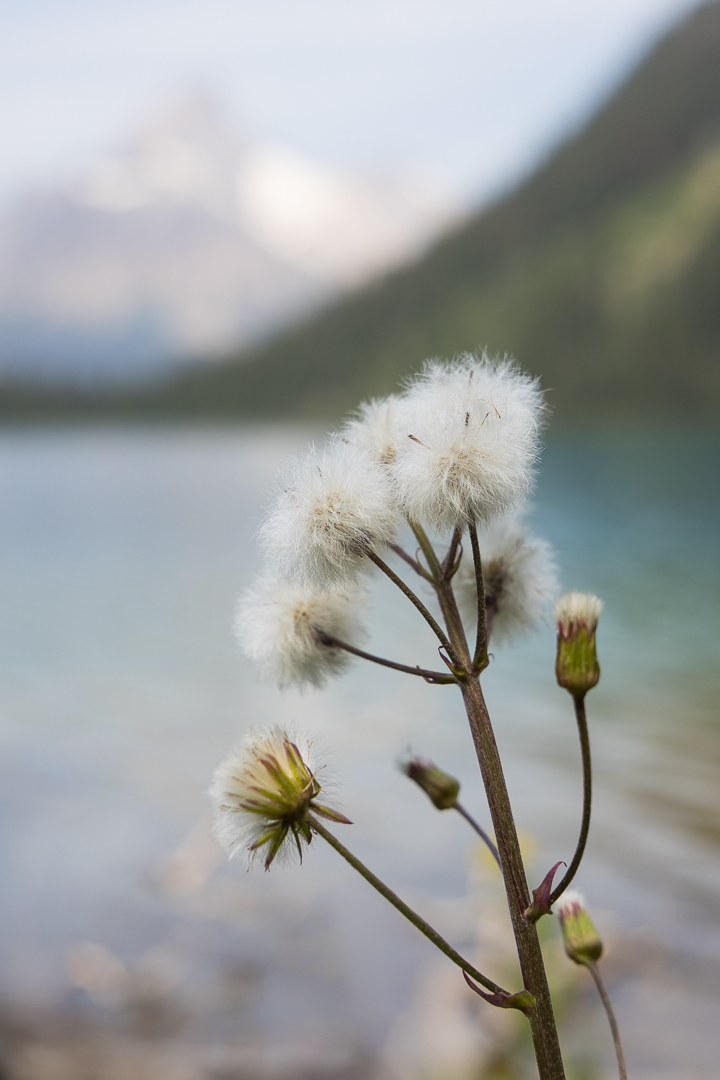
We took the lake in from various vantage points along its shore, stopping at a dock to dip our feet in glacial waters. The evening air began to cool, which was our sign to rehydrate our pasta dinner and get ready for the screening.
With help from Robynne, who had journeyed from the UK to work in the park for the summer, we had the projector set up just in time. At 8 pm on the dot, campers filed in to claim one of the shelter’s limited seats. Beneath the gaze of a taxidermy goat, I gave a brief introduction and played the film. With Kimberley having been on evacuation alert just the week before (one that was thankfully rescinded), the film struck me differently. As I often do during a screening, I scan the audience to gauge their reactions and saw that people were genuinely moved, some to tears, by Sasha’s vulnerable story. The screening wrapped up with a Q&A and, unlike formal proceedings at larger film festivals, this one felt like a warm conversation around a campfire.
We left the screening and stopped by the lake just in time to watch the evening glow fade.
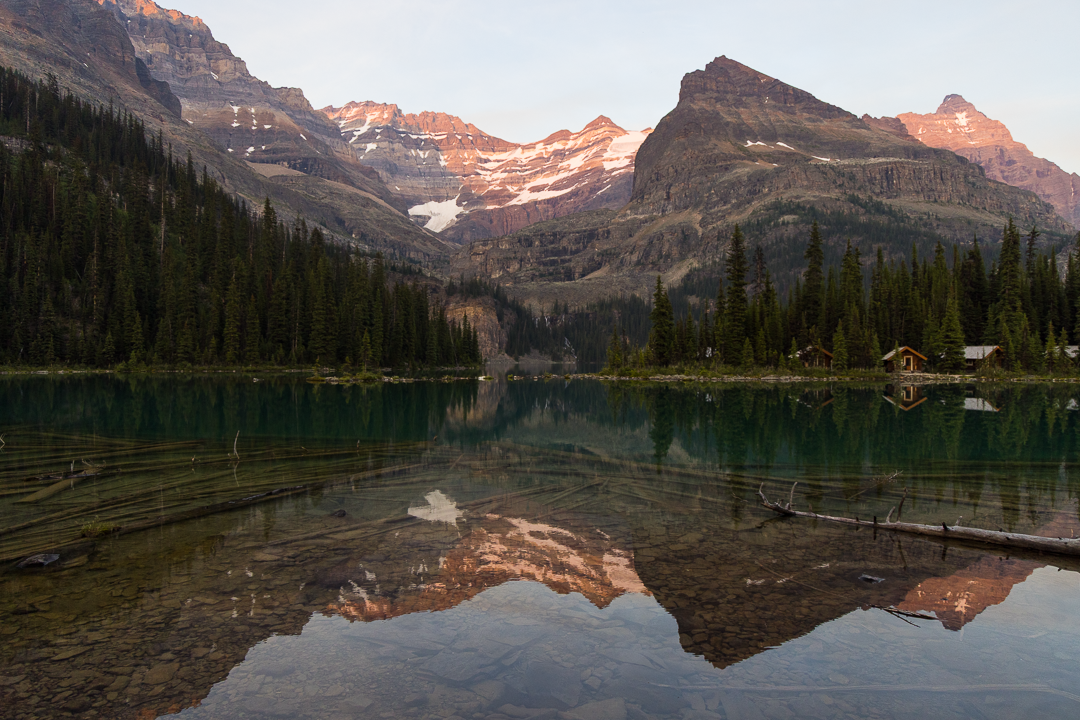
Evening reflections at Lake O’Hara.
Back at camp, we were surprised to see a fire going. Despite ~135 active fires burning across BC and 50 classified as ‘out of control’ that night, a campfire ban had not yet been posted. Keeping a close eye, we enjoyed the fire’s warmth and chatted with fellow campers before turning in.
The next morning unfolded slowly—with coffee, breakfast, and a morsel of carrot cake from our new friend Rob—before Terry Anne and I packed up and set out on a hike. The well-kept trail hugged the shore of Lake O’Hara, leading us closer to Seven Veil Falls, before climbing into the alpine. We met a porcupine, a marmot, and several pika clambering across scree with wildflowers between their teeth. We stopped at Lake Hungabee, eating a Kit Kat and swatting at mosquitoes before retracing our steps back. I took a short dip in Lake O’Hara’s refreshing waters before we stopped by Le Relais for more coffee and our own slice of their famous carrot cake. Caffeinated and full, we bid the lake a fond farewell.
Backcountry experiences are largely shaped by those we share them with. During my last visit to Lake O’Hara, I had the privilege of hiking the infamous Alpine Circuit that circumnavigates the Lake O’Hara basin from up high. This time, I had the pleasure of slowing down and taking everything in as if with fresh eyes. It seems this backcountry trip has reignited Terry Anne’s interest in camping and venturing into the alpine. I hope I never lose sight of how precious these wild places are.
As we left the campground, I noticed that the woodpile was blocked off with neon flagging tape. The campfire ban had finally come into effect, and we campers were on our way back to the real world, where wildfires are burning across much of Canada, the US, and Europe. It seemed that this backcountry screening of Embers touched people deeply, and I hope that translates into them seeing and doing things differently.
Thank you to the Lake O’Hara Trails Club and Parks Canada
for sponsoring the Lake O’Hara Speaker Series.